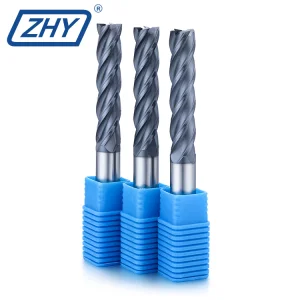
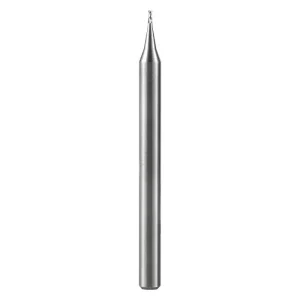
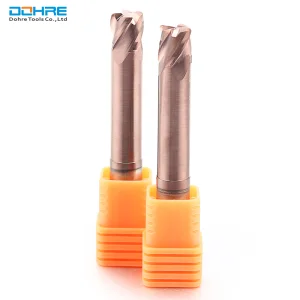
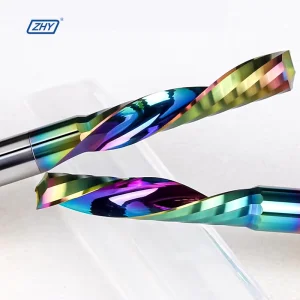
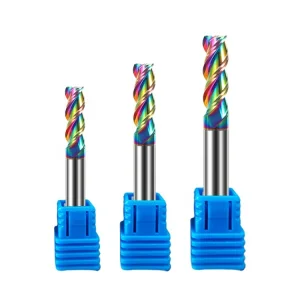
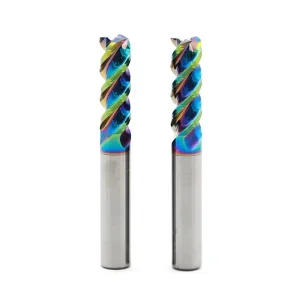
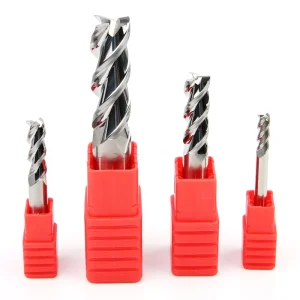
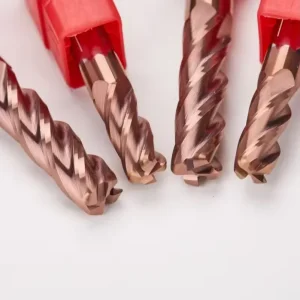
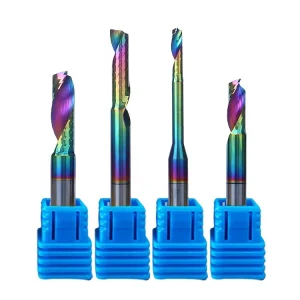
High-performance CNC tooling optimized for Irish light-alloy component manufacturing, offering excellent chip clearing and structural stability.
Ireland has positioned itself as one of the primary high-tech manufacturing, medical device (MedTech), and aerospace engineering powerhouses in the European Union. Across industrial regions such as Dublin, Galway, Limerick, Cork, and the Shannon Aerospace Cluster, precision engineering subcontractors face stringent production tolerances and cost pressures. As a material, aluminum—specifically grades such as 6061-T6, 6082-T6, 7075-T6, and various Aluminum Composite Materials (ACM)—remains dominant due to its exceptional strength-to-weight ratio, conductivity, and corrosion resistance.
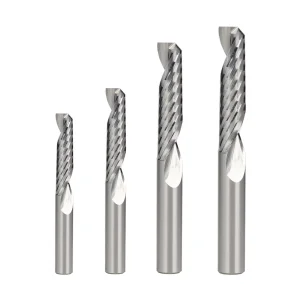
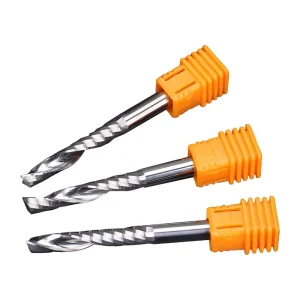
However, machining aluminum is inherently challenging. Its relatively low melting point, ductility, and high affinity to weld onto steel or standard carbide surfaces lead to the common phenomenon of Built-Up Edge (BUE). To combat this, single-flute geometries have emerged as the industry standard for high-speed routing and profile milling. By maximizing the chip evacuation space, single-flute end mills allow CNC operators in Ireland to run spindles at extreme rotational velocities (up to 24,000 RPM and above) while maintaining clean shear action and avoiding heat buildup.
Through systemic collaborations with Tier Tool's R&D department, export partnerships have allowed Suzhou Tier Tool Co., Ltd. to streamline specialized tooling designs for the Irish market. Implementing modern CAD geometries that balance core strength and edge sharpness, we ensure that local machinists achieve mirror finishes on aluminum parts, minimizing the necessity for post-milling processing and manual deburring.
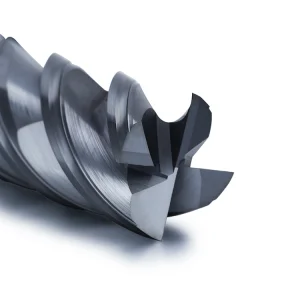
A single flute design offers the maximum possible cross-sectional chip valley space. This ensures large, ductile aluminum chips are ejected instantaneously, preventing recutting and localized tool welding.
Using a single cutting edge lowers the power consumption requirements of the spindle, minimizing vibration and tool deflection on thin-walled structural aluminum profiles.
Because the chip load per tooth matches the feed rate per revolution, single-flute tools permit extremely fast linear axis speeds without risking physical breakage of the carbide core.
"In high-speed machining (HSM) of light-alloy materials, thermal dynamics override mechanical shear stress as the primary factor of tool wear. A single-flute tool transfers the generated thermal load directly into the escaping chip rather than retaining heat within the workpiece or the cutter body."
To maximize the utility of Suzhou Tier Tool's single-flute routers, operators must carefully balance cutting velocity ($V_c$), spindle speed ($n$), and feed rate ($f_z$). For standard 6000-series aluminum alloys processed on industrial gantry routers, we recommend a starting surface speed of 300 to 500 meters per minute (m/min). When utilizing our 8mm Single Flute Tooling, a Spindle Speed of 18,000 RPM demands a feed rate ranging between 1.8 to 3.6 meters per minute depending on radial depth of cut (Ae) and axial depth of cut (Ap).
| Aluminum Grade | Cutting Strategy | Rec. Speed (Vc - m/min) | Chip Load per Tooth (fz) | Coolant Strategy |
|---|---|---|---|---|
| Al 1050 / 1100 (Pure Al) | Slotting & Profile | 250 - 350 | 0.08 - 0.15 mm | MQL / Mist Coolant |
| Al 6061-T6 / 6082-T6 | Pocketing / HSM | 350 - 550 | 0.12 - 0.25 mm | Flood or High-Pressure Air |
| Al 7075-T6 (Aerospace) | High-Speed Milling | 400 - 650 | 0.15 - 0.30 mm | Soluble Emulsion / Oil Mist |
| Al-Li (Aluminum-Lithium) | Structural Aerospace | 300 - 450 | 0.10 - 0.20 mm | High-Pressure Through-Spindle |
The global industrial sector is moving rapidly towards sustainability, lightweight vehicle construction, and reduced carbon footprints. In the electric vehicle (EV) sector, battery enclosures and structural elements are primarily constructed from extruded and cast aluminum alloys. This shift has driven massive demands for specialized cutting tools.
Technologically, the industry has transitioned away from uncoated carbide tools towards DLC (Diamond-Like Carbon) coatings and highly polished flute surfaces. DLC coating provides an extremely low coefficient of friction (typically <0.1), preventing aluminum from bonding to the cutter face. Under high pressure, standard tungsten carbide tool tips can develop microscopic cracks as aluminum particles friction-weld and tear away. A DLC film acts as a thermal barrier and lubricative layer, extending tool life by up to 300% in continuous machining setups.
Suzhou Tier Tool has integrated these state-of-the-art coatings, utilizing physical vapor deposition (PVD) to apply uniform, nanostructured DLC films to our specialized product lines. For Irish workshops, this means less down-time for tool replacement, improved dimensional accuracy across long production runs, and consistent tolerance performance on CNC centers.
Established in 2008, Suzhou Tier Tool Co., Ltd. is a national high-tech enterprise specializing in the design, manufacturing, and technical support of precision solid carbide cutting tools. We are deeply committed to the precision machining industry, focusing on delivering high-performance, high-efficiency cutting solutions for hole-making and metalworking applications. Through continuous technological innovation and manufacturing excellence, we have earned the trust of customers across a wide range of industries worldwide, including aerospace, medical instruments, and automotive tooling.
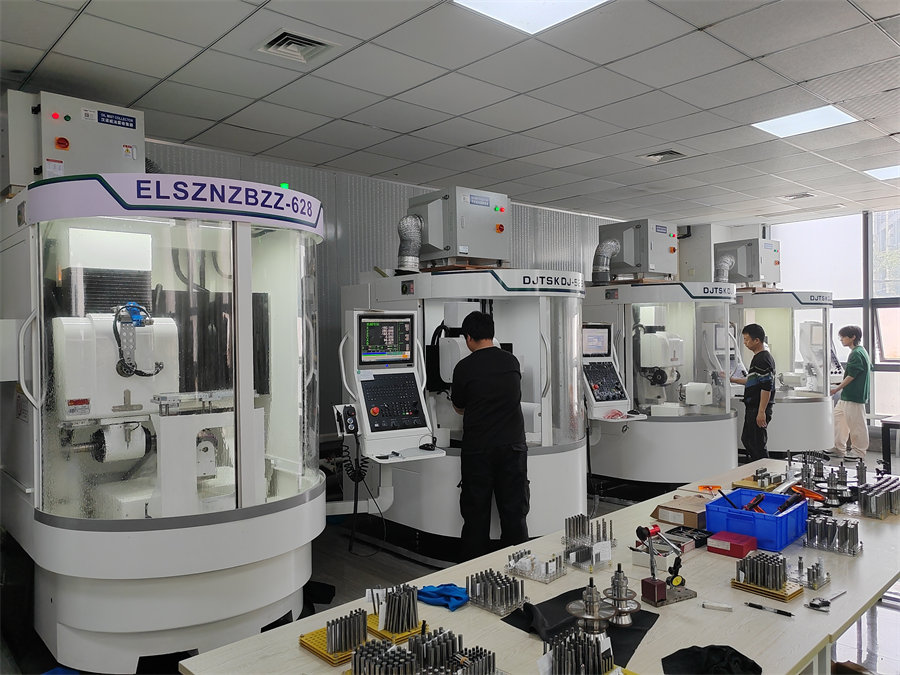
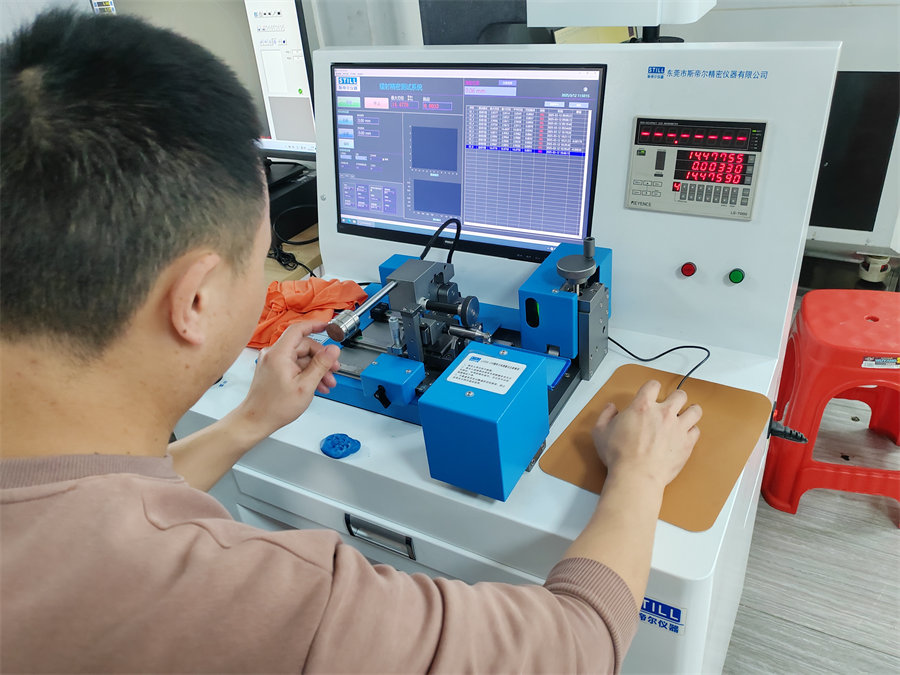
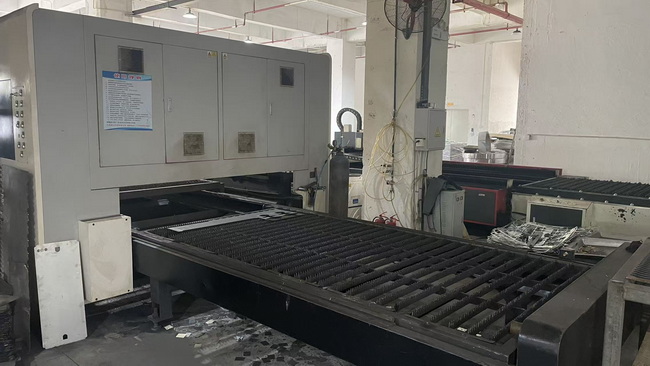
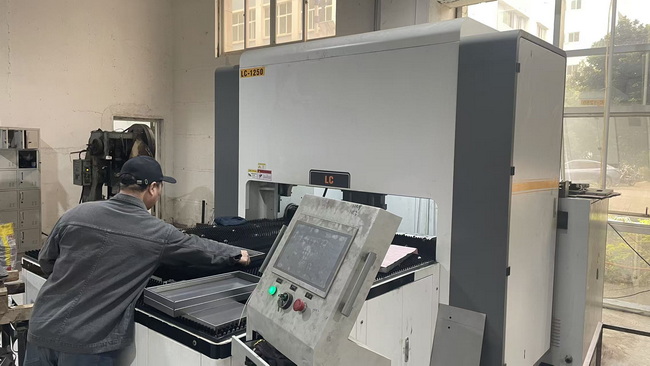
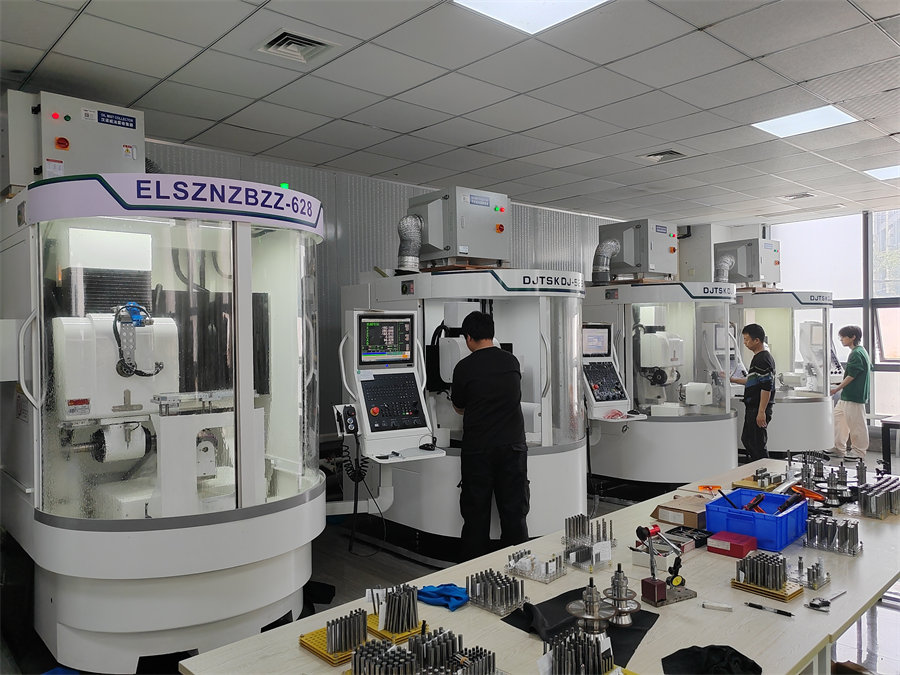
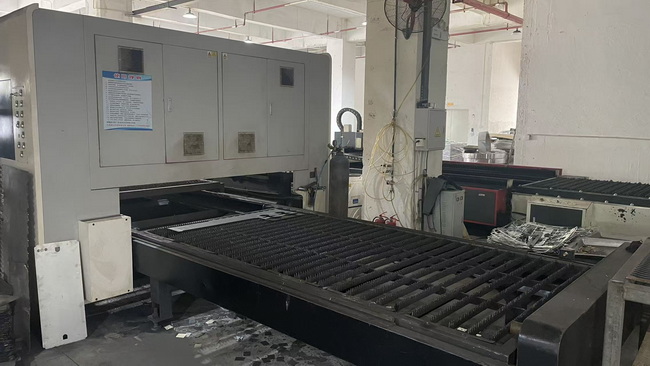
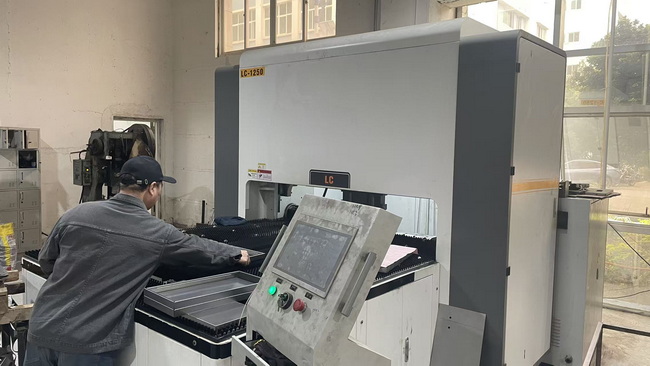
To ensure the highest levels of precision and consistency, Tier Tool has invested extensively in advanced manufacturing equipment and production technologies. The company operates multiple imported CNC tool grinding machines and precision inspection systems, enabling complete in-house capabilities from tool design and prototyping to small-batch testing and large-scale production.
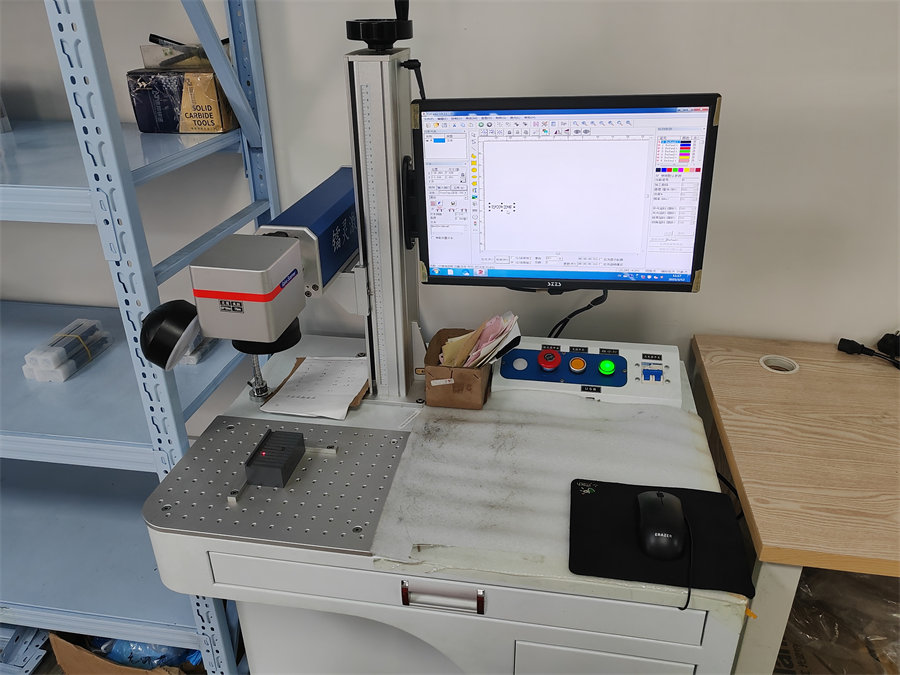
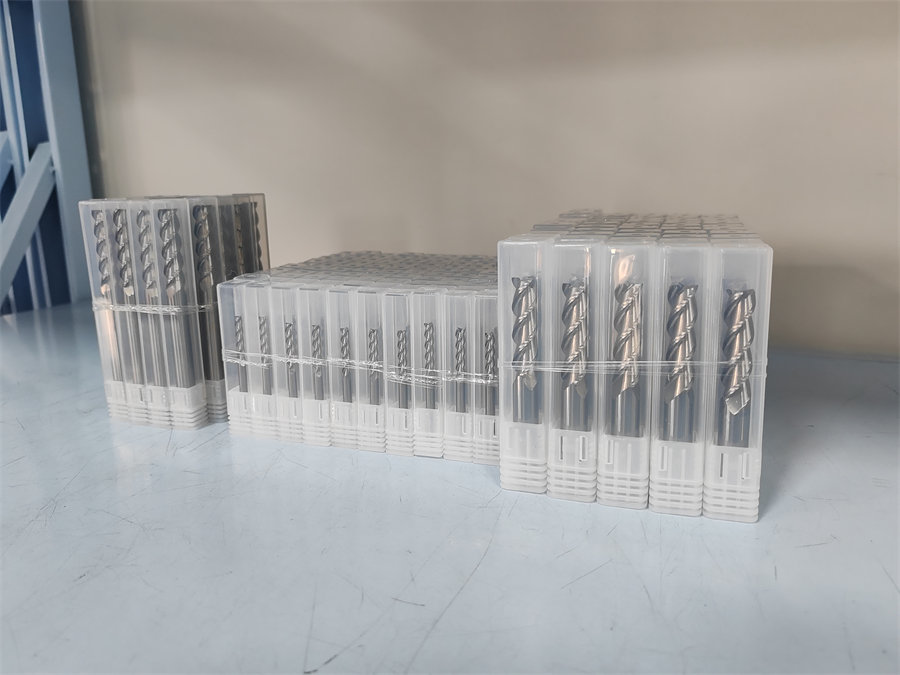
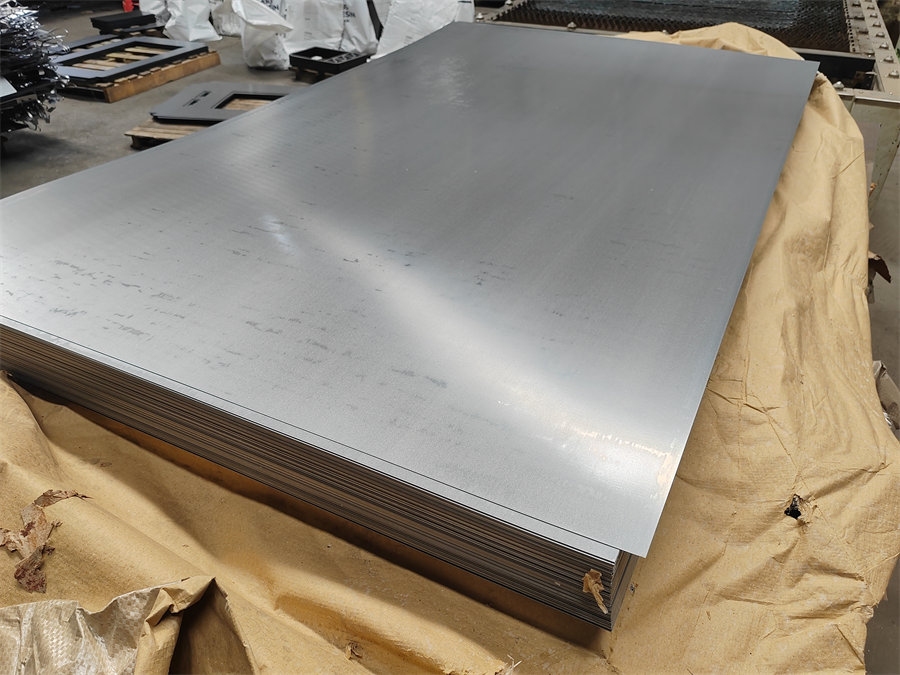
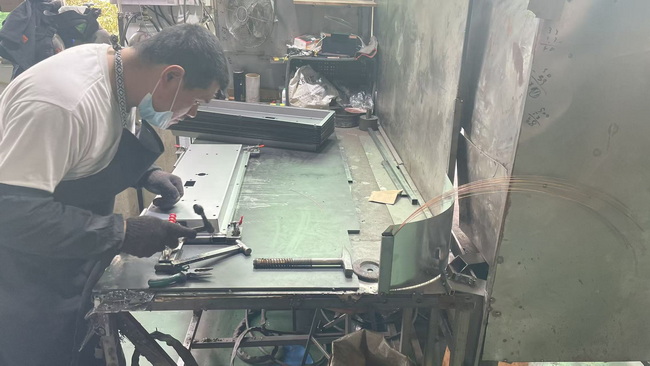
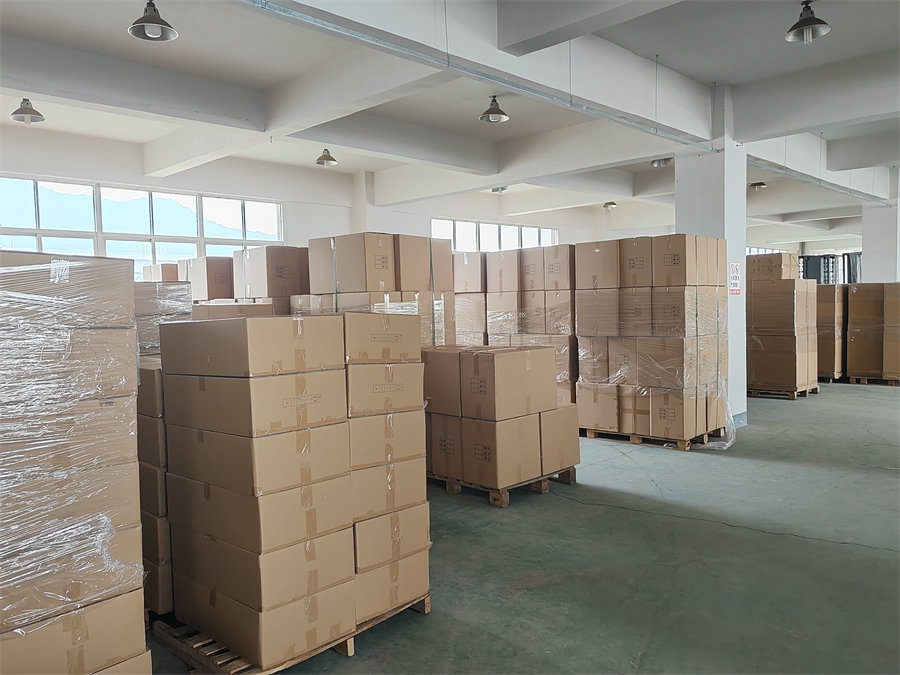
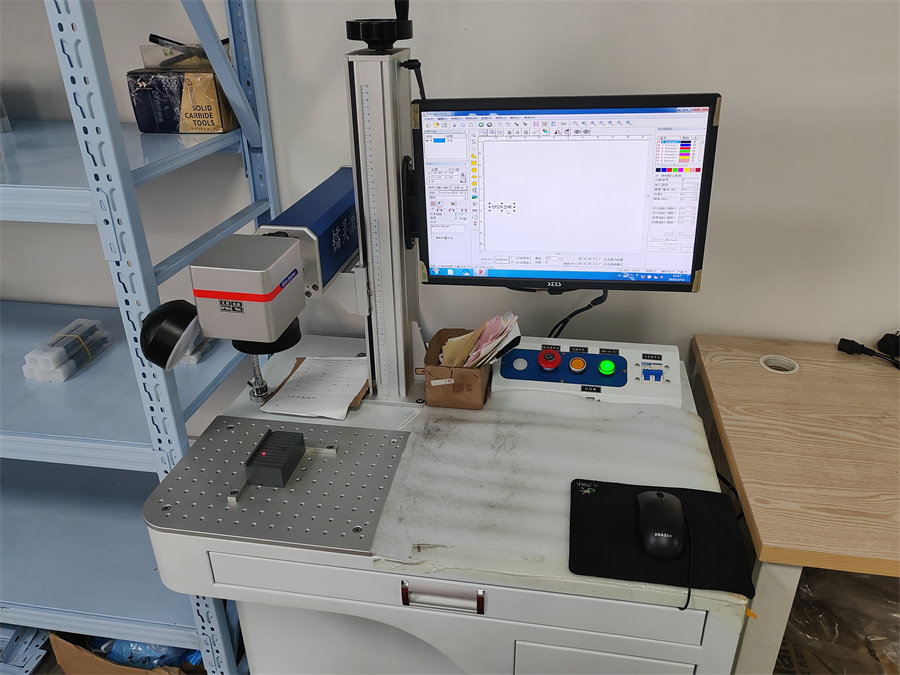
Quality is the foundation of Tier Tool's long-term success. We adhere to the principle of "Quality First, Continuous Improvement", implementing rigorous quality control procedures throughout the entire production cycle. Below is an overview of our advanced production lines, machining centers, inspection equipment, and processing infrastructure:
We understand that supplying premium carbide cutting tools is only the beginning of our partnership. For Irish advanced manufacturing hubs, Tier Tool provides deep-tier technical support and engineering consultation. We assist machining facilities in analyzing chip formation, optimizing tool-paths via CAM software, adjusting step-down (Ap) and step-over (Ae) vectors, and identifying opportunities to transition from standard cooling methods to energy-efficient Minimum Quantity Lubrication (MQL).
Our application specialists work directly with your engineering department to solve persistent issues, such as harmonic vibrations in thin-walled workpiece processing, high tool runout, or premature flank wear. We offer customizable tooling designs with tailored shank configurations, corner radiuses, and special coating materials suited for unique non-ferrous compositions.
Answers to critical questions encountered by CNC operators, machinists, and production managers in modern machine shops.
Contact our technical engineering department to discuss your custom tooling needs, request a volume quote for premium single flute solid carbide cutters, or request localized delivery parameters for your production plant in Ireland.
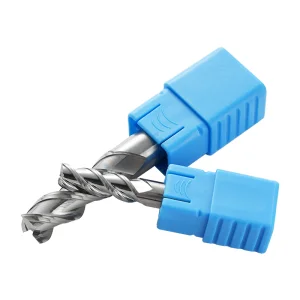
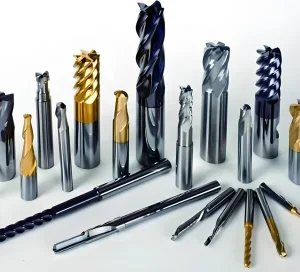
Send Inquiry NowFrom heavy roughing cutters to specialized micro-tools, explore our complete selection of solid carbide tooling options.
 Tier Tool